What to observe
Processes vary by workshop. Rather than generalising, ask who undertook which process for a given work.
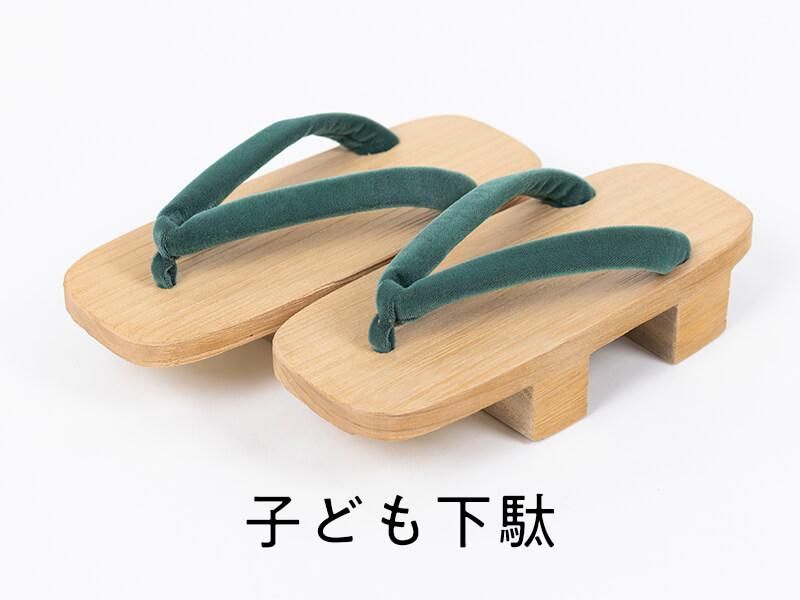
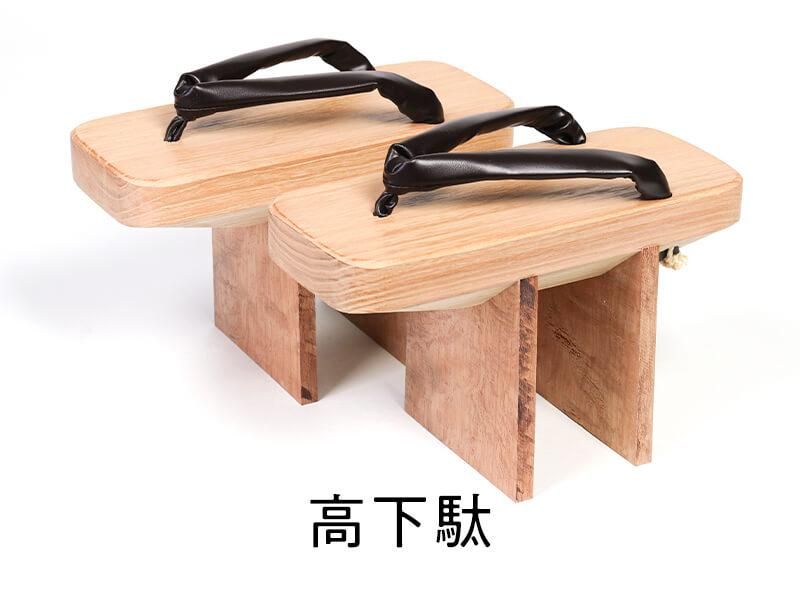
Thinking as a collection
A making record is not an accessory to a glamour shot; it is provenance. Keep process, tool, and hand photographs in both languages.
Before buying or displaying
This guide is editorially informed by classified public web, social, collection, and market information. Verify an individual work's place, maker, date, and specifications with primary sources such as its maker or holding collection.
Six fields to check: maker, form, paulownia, finish, hanao, and dimensions / condition。
WORKS IN PREPARATION
Works to compare through this lens
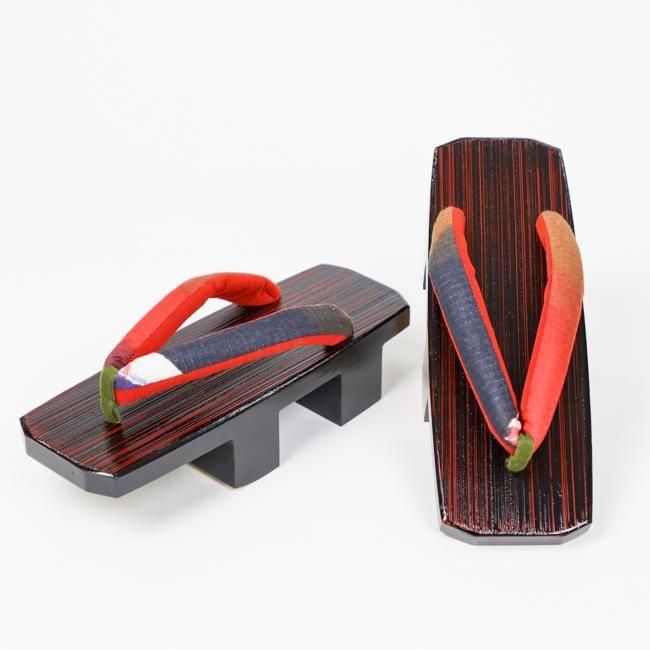
Masame shamisen form, brushed finish
Maker: Ken Nakajima
Sales details will be added later
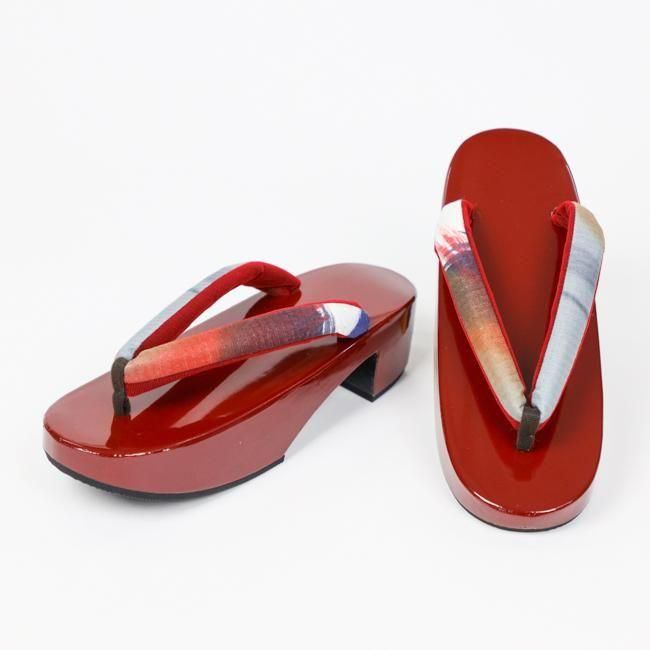
Genroku, red yakko finish
Maker: Ken Nakajima
Sales details will be added later
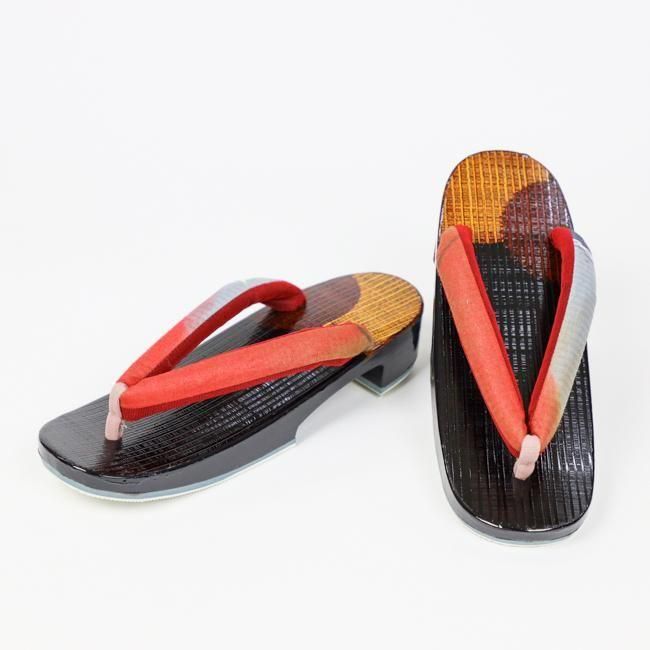
Ukon Soft, lacquered kinume colour split
Maker: Ken Nakajima
Sales details will be added later
Images are shown as references for comparison. Sales, price, availability, specifications, and shipping details will be added when ready.
Editorial note for this page
This is a guide for observation and comparison. Historical attribution, repair, conservation, and wear safety vary by object, condition, and environment.