01
Know the wood
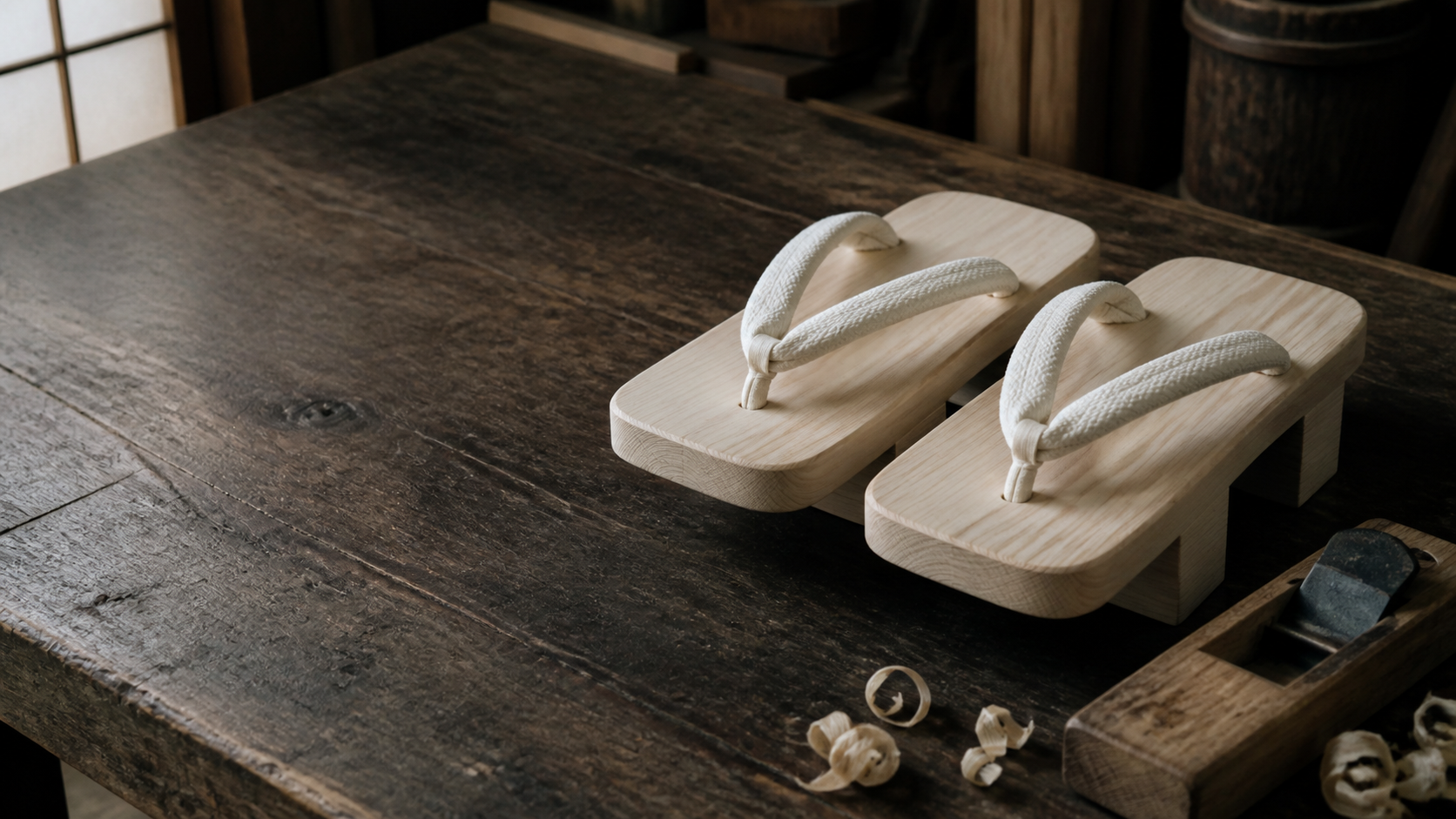
Learn how paulownia, drying, grain, and tools shape the character of a pair.
Learn moreSales and enquiries are being prepared
ABOUT KIRI-GETA
Platform form, paulownia grain, surface finish, and hanao making.
Once you know what to look for, every pair begins to look distinct.
Learn how paulownia, drying, grain, and tools shape the character of a pair.
Learn more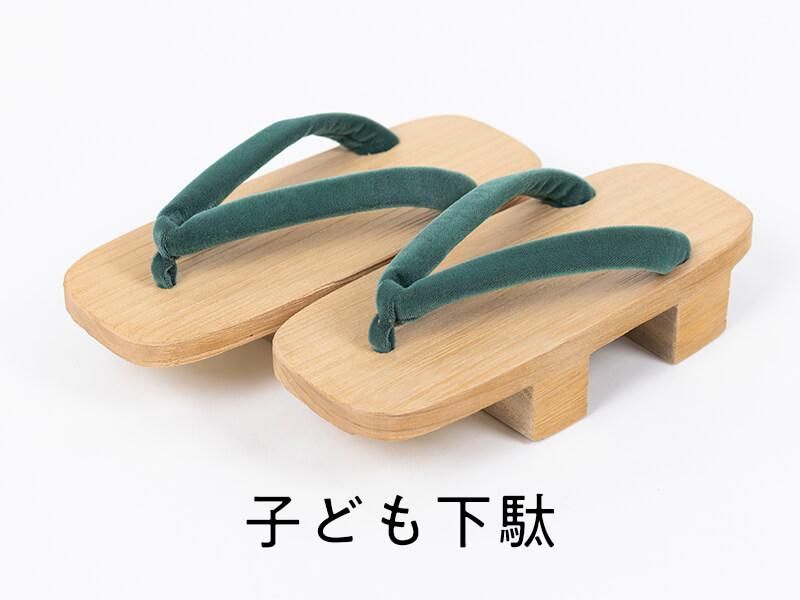
Platform height, tooth form, and edge treatment change both use and presence.
Learn more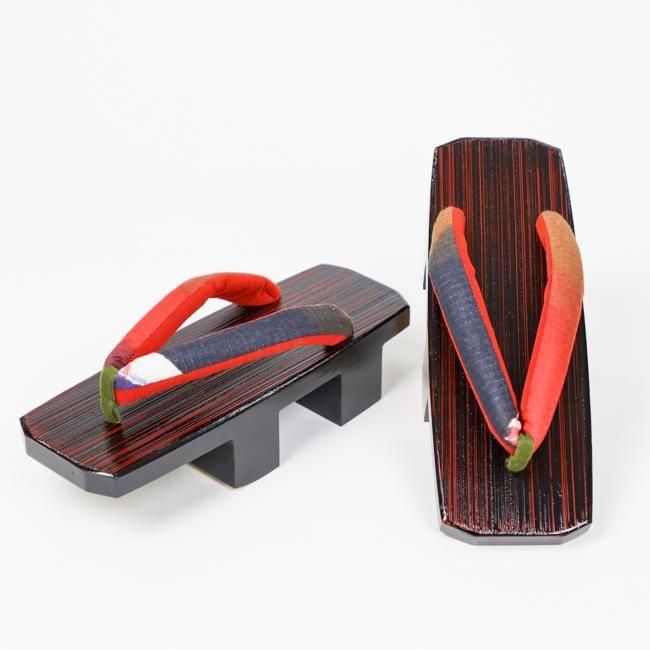
Hanao making, colour, and surface finish reveal how a work meets dress and display.
Learn moreWORK PREVIEW
Ken Nakajima
COMING SOONPrice, availability, and terms
will be added when ready.
COLLECTOR'S VIEW
You do not need expert knowledge. Choose a purpose, learn where to look, and confirm only what remains unknown.
Display, gift, or wear: begin with one purpose.
Check maker, form, material, finish, hanao, and dimensions.
Once sales open, verify price, availability, shipping, wear, and display conditions.
VALUE EVIDENCE
Maker, form, wood, finish, hanao, and dimensions or condition: six lenses for separating what is verified from what remains unknown.
Identify woodwork, hanao, and collaborators per work.
Read silhouette and structure: two-tooth, ukon, tall, and more.
Read origin and grain only from verifiable statements and images.
Compare bare wood, burning, coating, carving, and surface expression.
Check textile, colour, motif, fitting, replacement, and adjustment.
Essential for display and wear; verify each work's measurements and condition.
WORKS IN PREPARATION
Compare silhouette, finish, hanao colour, and maker. Sales details are not yet published; these works are shown as viewing references.
Maker: Ken Nakajima
Sales details will be added later
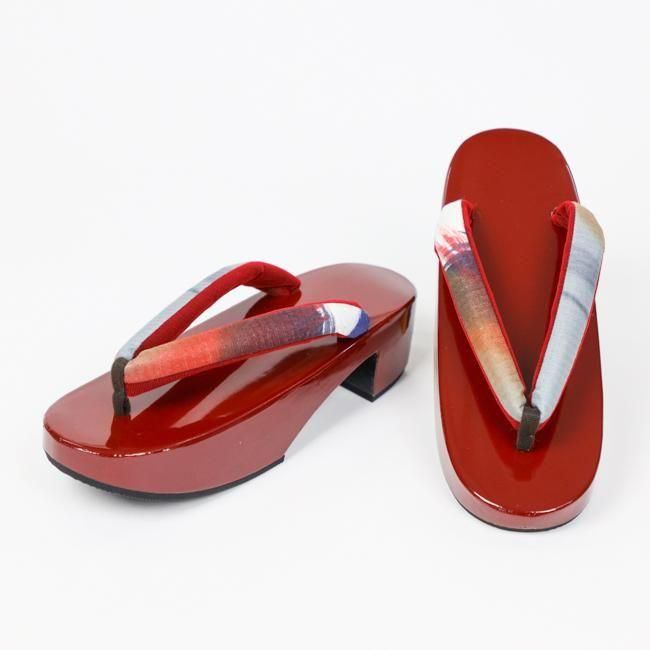
Maker: Ken Nakajima
Sales details will be added later
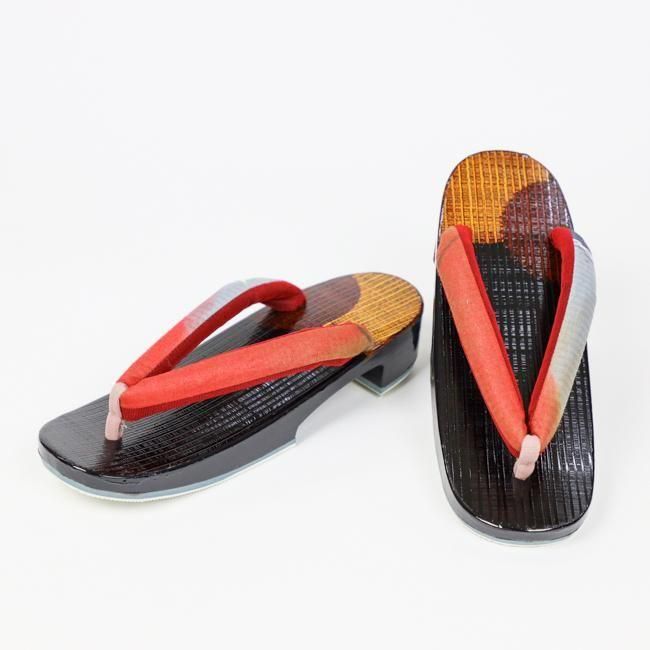
Maker: Ken Nakajima
Sales details will be added later
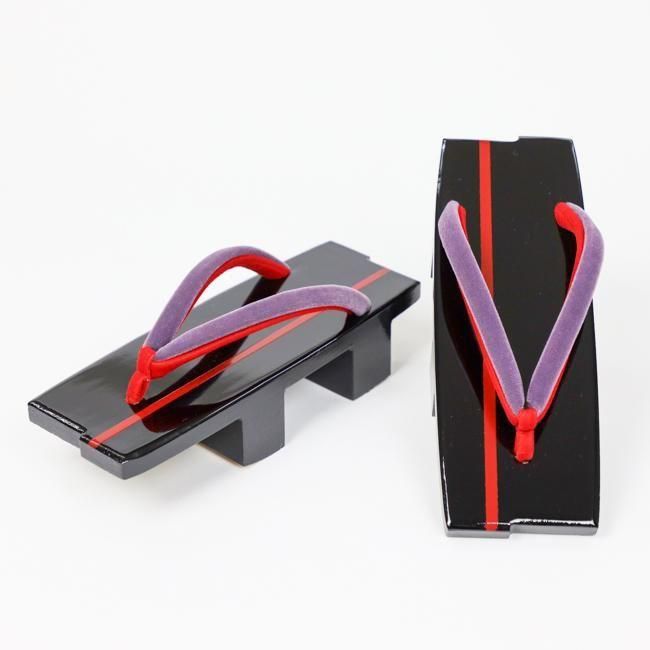
Maker: To be confirmed
Sales details will be added later
Price, availability, specifications, and shipping are not yet published. Each work will be documented here when sales are ready.
CRAFT CONTEXT
Maker, form, material, technique, year, and care: verified context turns footwear into craft that can be viewed, discussed, and passed on.
Verified facts are kept separate from interpretation and unknown details.
30 CRAFT GUIDES / JP + EN
Using 9,825 public web and social records as an editorial starting point, 30 bilingual themes cover form, material, region, making, hanao, display, and provenance. This count is the ledger size, not market share.
An introduction to geta made with paulownia, viewed at the meeting point of footwear, woodworking, Japanese dress, and everyday history.
02 / FoundationsKnowing terms such as dai, ha, hanao, and mae-tsubo makes it possible to compare geta precisely.
03 / FoundationsObjects that look related may differ in construction, setting, and relationship to dress. Distinguishing them is a collector’s first discipline.
04 / MaterialPaulownia is central to the story of kiri-geta. Grain, colour, drying, and surface finish help us see a pair as a crafted object.
05 / FoundationsGeta history is not one straight line; it is a gathering of regional, temporal, sartorial, and everyday contexts.
06 / CultureGeta are often seen alongside kimono and yukata, yet the colour, seasonality, textile, and setting of the hanao deserve attention in their own right.
07 / RegionsA place name is not decoration; it opens research into material, technique, makers, and circulation. Confirm it for each individual object.
08 / RegionsThis guide introduces ways to look at regional geta through bare wood, coatings, and design, while allowing for differences among workshops and periods.
09 / RegionsBurning and surface treatments do not merely hide grain; they alter how it is seen. This guide uses Shido as an entry point to reading surfaces.
10 / RegionsWhen learning through a region, look not for a fixed image but for what individual makers preserve or change.
11 / FormsTwo-tooth koma geta provide a useful baseline for studying construction. Their apparent simplicity reveals differences in tooth placement and platform lines.
12 / FormsUkon geta open a conversation between everyday use and contemporary silhouette through their lower profile and platform form.
13 / FormsOne-tooth geta create a strong vertical line and negative space, giving them visual presence within a typological collection.
14 / FormsTall geta make both structure and symbolism easy to examine. Look beyond height to the proportion between platform and teeth.
15 / FormsOkobo and pokkuri are close to geta as elevated footwear, yet their names and contexts deserve careful distinction.
16 / FormsComparing forms turns geta from a single item of footwear into three-dimensional studies in structural variation.
17 / MakingMaterial preparation, shaping, finishing, and fitting hanao reveal work that is otherwise invisible in a finished object.
18 / DesignHanao are both functional thongs and a compact field where textile, colour, motif, and fitting meet.
19 / MakingBare wood, burning, coating, and carving can alter not only protection and decoration but also how a wooden object is seen and touched.
20 / DesignInterest in ukiyo-e, kabuki, and seasonal motifs lets us see geta as carriers of cultural imagery.
21 / DesignInterest in kimono textiles can enter the world of geta through hanao, where textile craft meets woodcraft in one object.
22 / CollectingCollecting is not only about increasing quantity; it is choosing what you want to compare and preserve.
23 / CollectingRecording year, maker, material, technique, form, motif, edition, and object number gives contemporary geta documentary value.
24 / Display & CareWhen displaying geta, show not only the front but the side, sole, shadow, and rise of the hanao so the object reads in three dimensions.
25 / Display & CareGeta combining wood, textile, and finish need material-aware care. Start with the maker’s or seller’s specific guidance.
26 / CollectingFor wearable works, consider platform dimensions, hanao adjustment, foot width, and intended setting as well as foot length.
27 / CollectingOlder geta may retain signs of use, repair, colour change, or replaced hanao. Condition is part of the object’s story.
28 / CollectingRepeating a theme across distinct forms lets geta become a series of sculptural studies rather than a group of footwear.
29 / DesignWoodwork, textile, print, and lacquer collaborations can layer multiple techniques and vocabularies into geta.
30 / CollectingA collector commission should discuss documentation and display as early as form, material, and finish.
BEFORE COLLECTING
They are currently shown as references for comparison. Display or wear suitability will be stated per work when sales open.
This is not yet decided. Eligible countries, cost, tracking, duties, and returns will be published here when ready.
This is not yet decided. Certificates, object numbers, and maker or technique records will be stated per work when sales open.
Not yet. The works are being prepared for sale, and confirmed price and availability will be published here at launch.
Choose one purpose—display, gift, or wear—then compare maker, form, paulownia, finish, hanao, and dimensions or condition.
SALES INFORMATION
Work details, price, availability, dimensions, wear or display, and domestic or international shipping terms will be published here when ready.